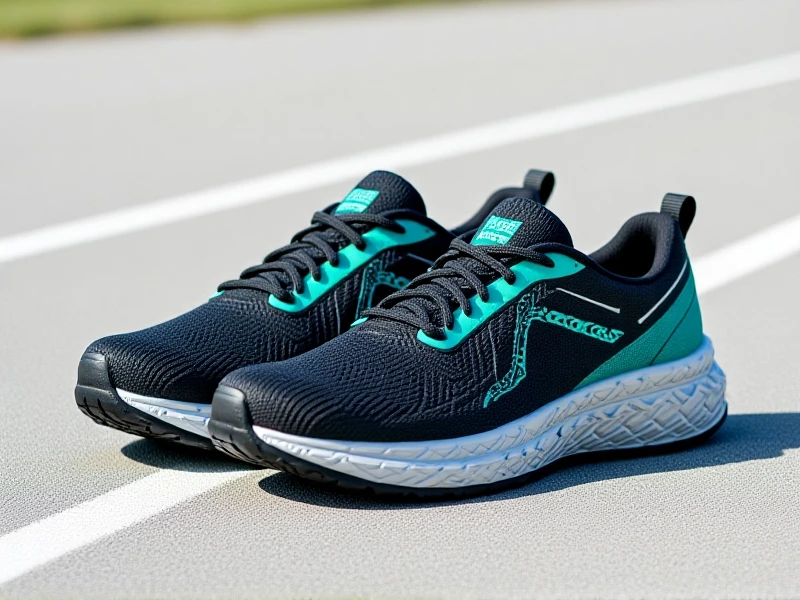
Find Your Perfect Fit: The Ultimate Guide to Choosing Running Shoes
Finding the right pair of running shoes isn't just about style; it's fundamental to your comfort, performance, and injury prevention. With a dizzying array of options declaring they're the best running shoes, how do you know what truly works for your feet, stride, and goals? It's more than picking a popular brand. Understanding key features transforms your run.
The foundation lies in understanding your foot mechanics and running style:
- Foot Type: Do you have flat feet (overpronation), high arches (underpronation/supination), or neutral arches? Visiting a specialty running store for a gait analysis is invaluable. They'll observe your stride and recommend shoes offering the right support for running shoes.
- Cushioning Level: Preferences vary. Some crave plush, thick cushioning for maximum shock absorption on long road runs, while others prefer minimal, responsive cushioned shoes for a faster, ground-feel connection. New running shoes often push boundaries in midsole materials like nitrogen-infused foams for lighter, bouncier cushioning.
- Fit is Paramount: Your running footwear must feel secure without constricting. There should be about a thumb's width between your longest toe and the end of the shoe. Width options ensure a comfortable fit without heel slippage. Always try shoes on later in the day when feet are slightly swollen and bring your typical running socks.
Match the Shoe to Your Terrain:
- Road Running Shoes: Designed for pavement, offering cushioning, flexibility, and usually lighter weight. Ideal for daily training on streets and sidewalks. Look for durable outsoles built to handle abrasive surfaces.
- Trail Running Shoes: Feature aggressive lugs for grip on dirt, mud, and rocks, along with enhanced protection (rock plates) and stability features for uneven ground. Water-resistant options are popular. Ensure comfort over technical, changing terrain.
- Cross-Training/Racing Shoes: More specialized. Racing flats offer minimal cushion and weight for speed, while versatile athletic trainers might support gym workouts too. Stability isn't their main focus.
Top Considerations Beyond Type:
- Breathable Uppers: Mesh materials allow feet to breathe easy, managing moisture and preventing blisters.
- Durable Outsoles: High-abrasion rubber in key wear areas extends the life of your running trainers.
- Weight Matters: Lighter shoes for runners can feel more effortless but may sacrifice some cushioning or durability.
Don't Forget to Replace Them! Even the best running shoes lose resilience. Experts generally recommend replacing them every 300-500 miles. Pay attention to worn-out treads, decreased cushioning, or uneven wear patterns.
Investing time in finding the right running shoes tailored to your unique needs pays off in miles of comfortable, enjoyable, and injury-free running. Visit a running specialty store or consult reliable online guides focusing on your specific requirements. Your feet – and your running log – will thank you. Discover your perfect pair today and truly unlock your potential stride after stride.