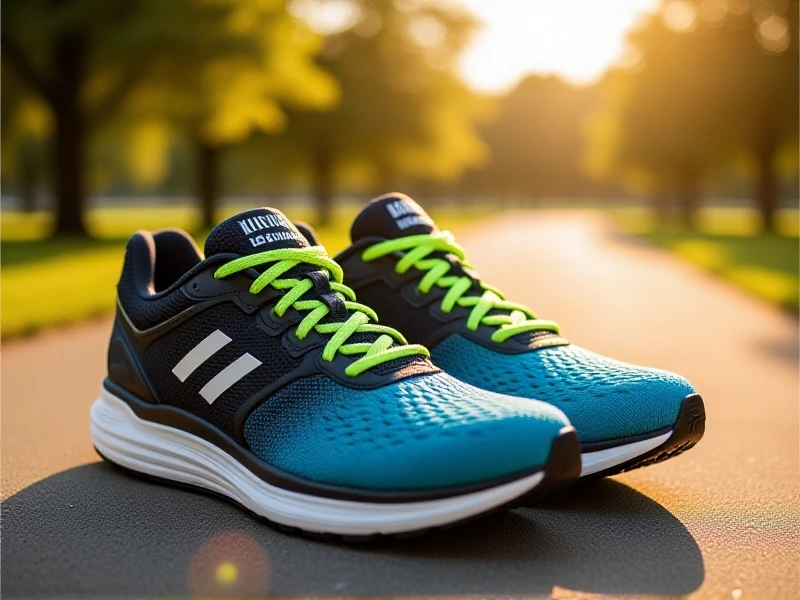
Find Your Perfect Pair: The Ultimate Guide to Choosing Running Shoes
Here is the SEO-optimized article on running shoes:
Finding the right running shoe is more than just a purchase; it's an investment in comfort, performance, and injury prevention. With countless options flooding the market, understanding the fundamentals of running shoes is key to unlocking your best runs.
At the core, running shoes are engineered differently than everyday sneakers. They feature specialized cushioning systems to absorb impact, stability elements to control foot motion, and durable, grippy outsoles designed for repetitive strides on varied surfaces. Using improper footwear is a common cause of runner injuries like shin splints, plantar fasciitis, or knee pain.
So, how do you choose the best running shoes for your needs? Start by understanding your foot type and gait. Are you a neutral runner, an overpronator, or an underpronator (supinator)? Visiting a specialty running shoe store for gait analysis provides invaluable insight. Next, consider the terrain – road shoes, trail running shoes, and cross-training options each offer distinct features. Road shoes prioritize cushioning and flexibility, while trail shoes boast aggressive tread and enhanced protection for uneven paths.
Fit is paramount. Ensure ample space (about a thumb's width) between your longest toe and the shoe's end. Your heel should be secure without slippage, and the midfoot should feel comfortably snug, not tight. Always try on shoes later in the day when feet are naturally slightly swollen and wear the socks you run in. Test them by jogging briefly – they should feel supportive instantly without a 'break-in' period needed.
Cushioning level is personal preference, ranging from maximal shock absorption to minimalist barefoot-style running shoes. Factors like your weight, typical running distance, and personal sensitivity to impact play a role. Don't overlook shoe weight either – lighter models often appeal to racers seeking speed, while heavier ones may offer more durability and cushioning.
Remember, even the best running shoes have a lifespan. Most experts recommend replacement every 300-500 miles, depending on your weight, running style, and the surfaces you frequent. Worn-out cushioning loses effectiveness, significantly increasing injury risk.
Investing time in selecting the perfect pair of running shoes tailored to your body and running habits is the first step towards more enjoyable, efficient, and injury-free miles. Are you ready to find yours?