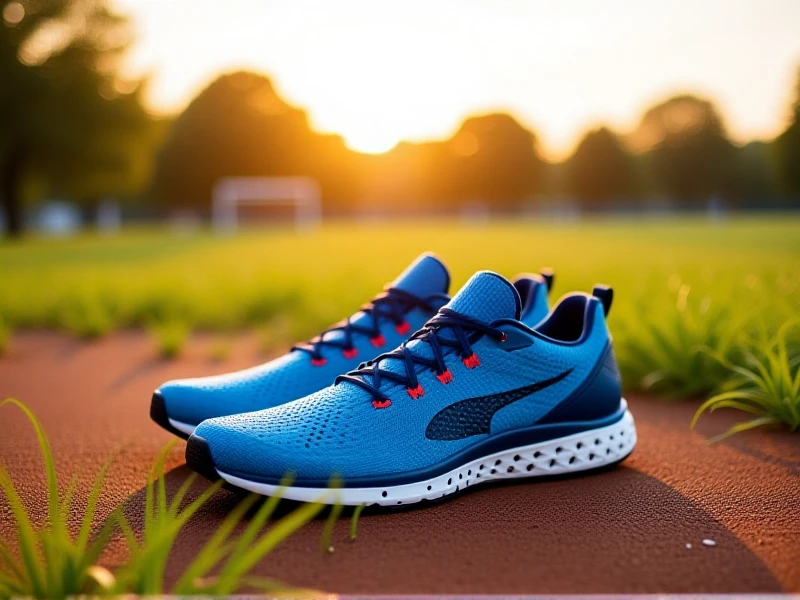
The Ultimate Guide to Choosing the Perfect Running Shoes for Every Runner
Running is an excellent way to stay active and improve your overall health, but the key to a great run lies in finding the right pair of running shoes. Without proper footwear, you might face discomfort, blisters, or even injuries that could deter you from your fitness goals. In this article, we'll dive into the essentials of running shoes, helping you understand why they matter, how to pick the best ones, and what benefits they bring to your running routine. Whether you're a beginner or a seasoned runner, investing in quality running shoes can transform your experience and boost your performance.
First and foremost, running shoes are designed specifically to support your feet during physical activity. Unlike regular sneakers, they feature specialized technologies like cushioned midsoles that absorb shock, stability features to prevent overpronation, and breathable materials to keep you comfortable. This tailored design helps reduce the risk of injuries like plantar fasciitis or shin splints, making each run smoother and more enjoyable. For example, choosing running shoes that match your running style—whether you're a road runner tackling miles on pavement or a trail enthusiast navigating rough terrains—can make a world of difference. Brands like Brooks and ASICS offer models with varying support levels, ensuring there's an option for every preference and budget.
When selecting running shoes, it's crucial to consider factors like your foot type, gait, and intended running distance. Start by visiting a running store for a professional gait analysis, where experts can assess your stride and arch to recommend the perfect fit. Neutral running shoes work well for people with a normal stride and balanced foot mechanics, while stability shoes provide extra support for overpronators. If you're into long-distance runs, look for models with ample cushioning to protect your joints over miles. Remember, a proper fit is vital: your running shoes should have about a thumb's width of space at the toe to prevent friction and ensure they last longer. Aim to replace your running shoes every 300-500 miles to maintain peak support and prevent wear-related issues.
The benefits of investing in good running shoes extend far beyond comfort. They enhance your efficiency by promoting a natural running form, reduce fatigue so you can run longer distances, and even improve your speed on race days. Plus, with options for lightweight designs or weather-resistant materials, you can adapt to any running environment. This focus on quality helps you stay motivated and enjoy a consistent running habit. So, take the step to evaluate your needs, try on a few pairs, and make your next run the best one yet with the right running shoes. Happy running!